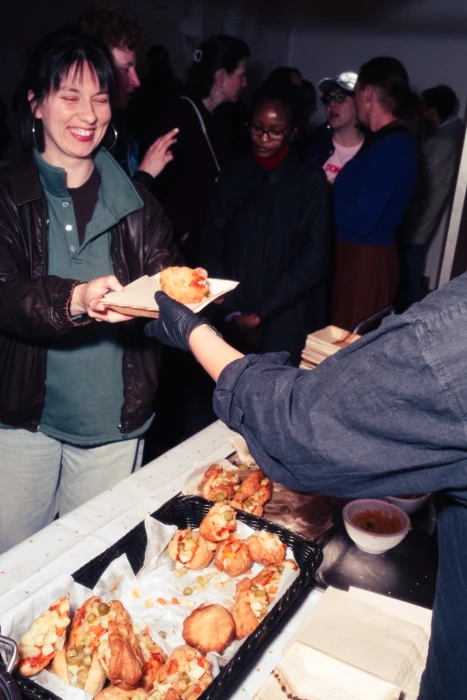
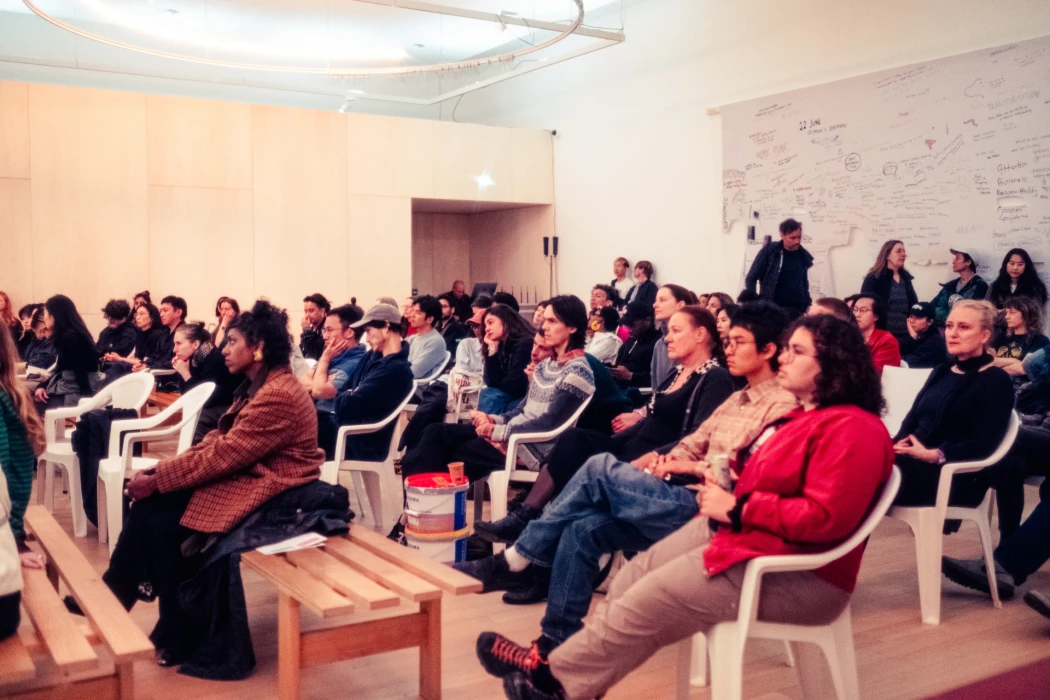
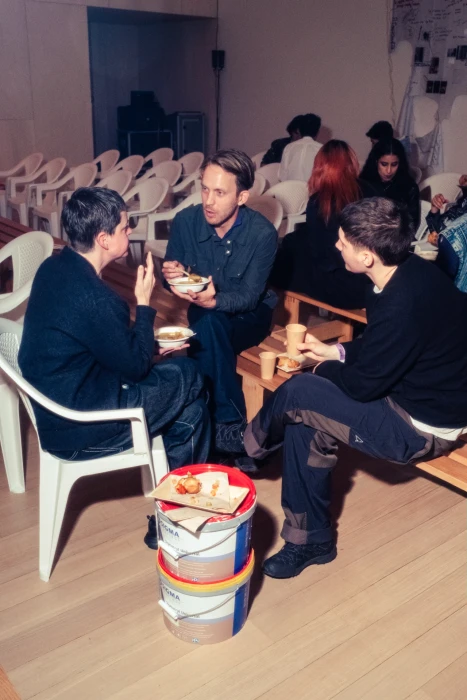
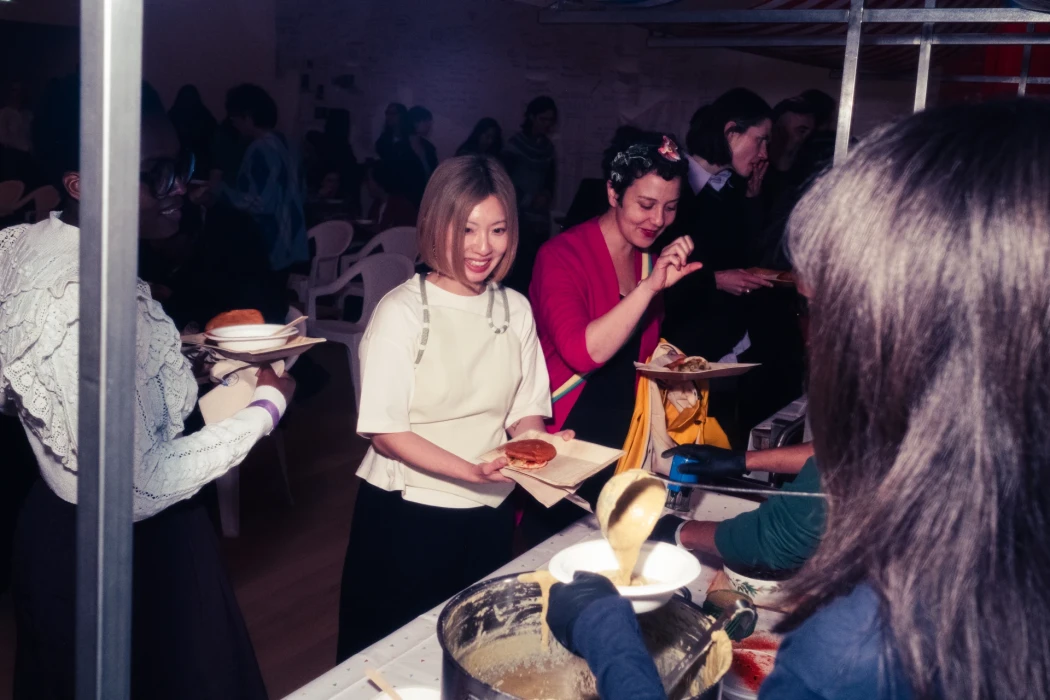
As part of Buro Relays, our month-long programme of exchanges across communities, generations, and artistic contexts, Buro Stedelijk welcomes you to a free opening weekend of talks, music, and food. Bringing together local and international artists, curators, and cultural workers, the programme pairs voices from different generations and backgrounds to explore the ideas and challenges shaping the city today—from biennales and trade skills to grants and residencies.
11.00 - 16.00
11.30 - 12.00
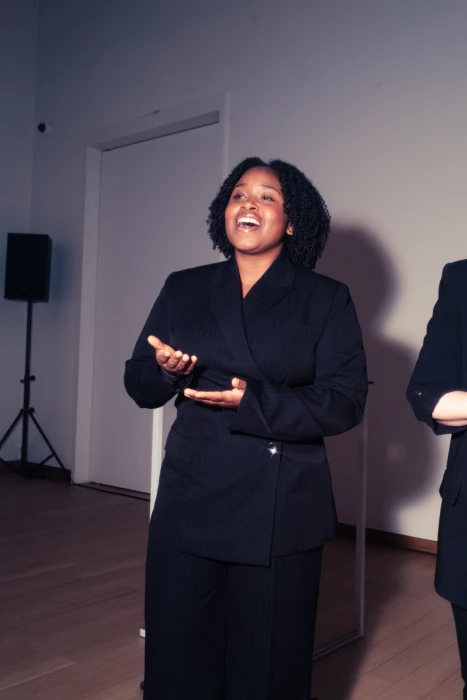
By Anna Hoetjes and Müge Yilmaz with ZO! Gospel Choir
12.00 - 12.30
By Buro Stedelijk
12.30 - 13.30
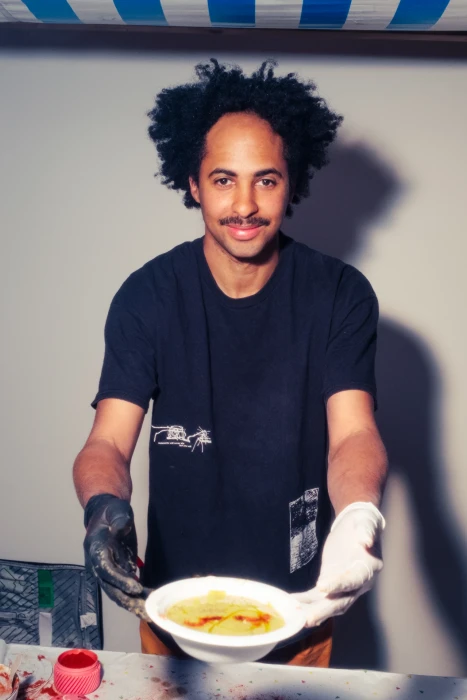
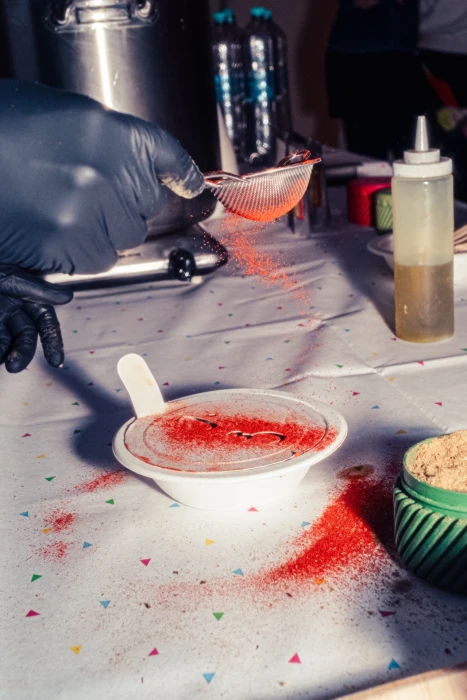
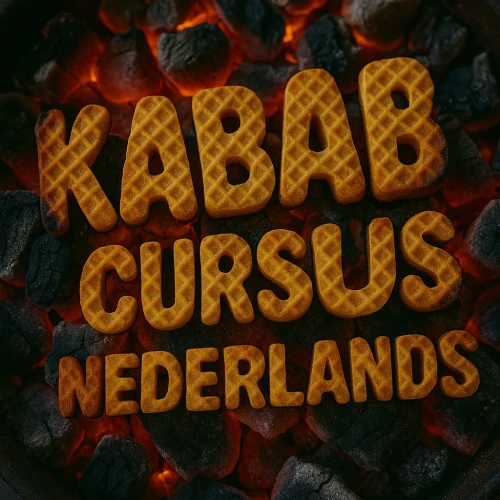
By Metti and Bissara Salim
13.30 - 15.00
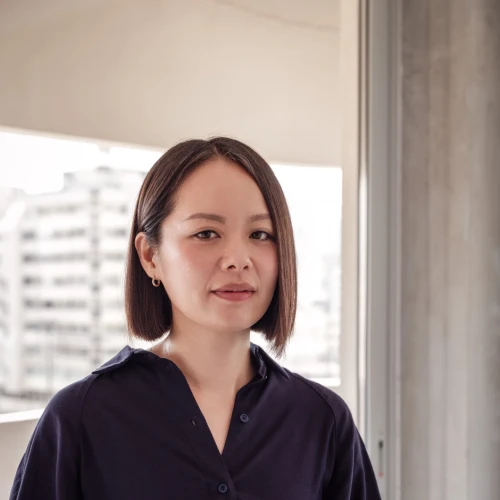
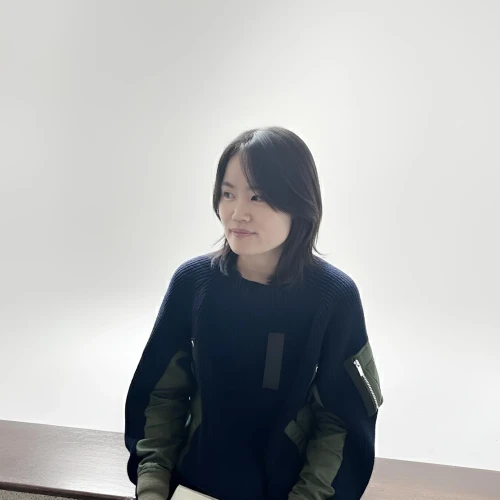
Bonne Reijn (Warmoes Biennale)
Gahee Park (Gwangju Biennale)
Jiwon Lee (Sharjah Art Foundation)
Amanda Pinatih (Stedelijk Museum Amsterdam)
As biennales grow in scale and number, they often take on the weight of funding, policy, and city branding. This panel looks at how different positions shaping biennales navigate these conditions, and what it takes to keep them responsive to their host cities.
15.00 - 16.00
AA Murakami
Jurgen Bey
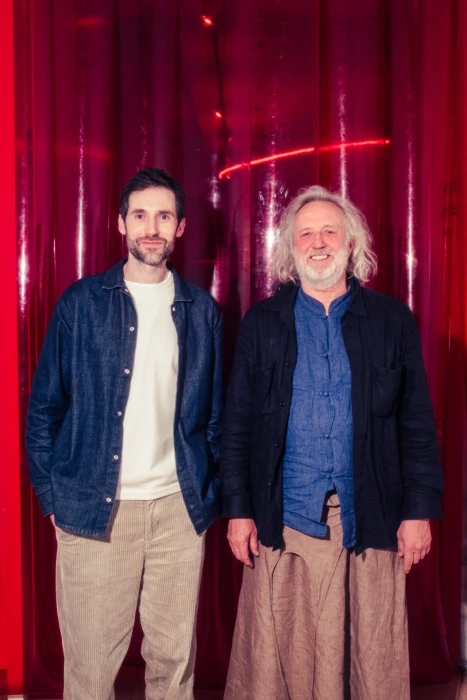
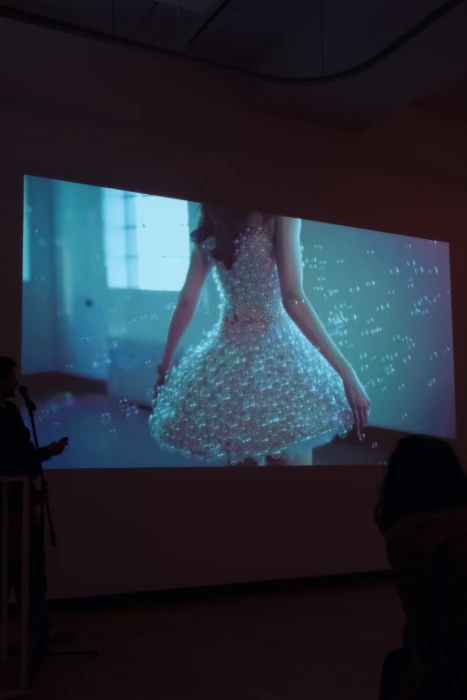
Artist duo A.A. Murakami (Alexander Groves and Azusa Murakami) and designer Jurgen Bey come together in a session that traces how making can emerge from what is already at hand - across generations and materials. A.A. Murakami, who studied under Bey at the Royal College of Art in London, create immersive sensory installations using “ephemeraltech,” to work with materials such as fog, plasma, and bubbles. For Jurgen Bey, a critical approach to design begins from within existing conditions.
12.00 - 16.00
12.00 - 12.15
By Buro Stedelijk
12.15 - 13.30
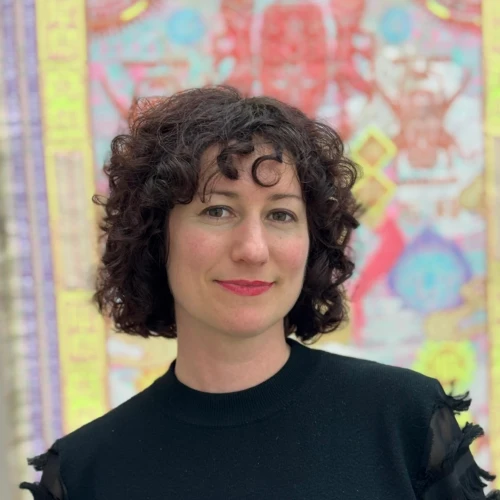
María Inés Rodríguez (Walter and Nicole Leblanc Foundation and Tropical Papers)
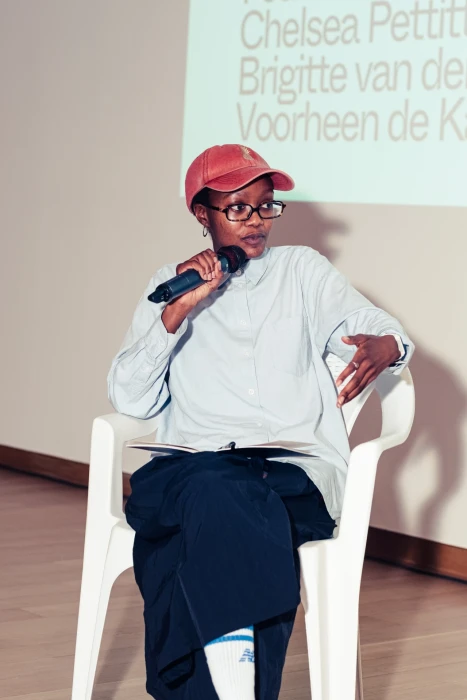
Chelsea Pettitt (Bagri Foundation)
Brigitte van der Sande (Other Futures Festival and Voorheen de Kannibalen)
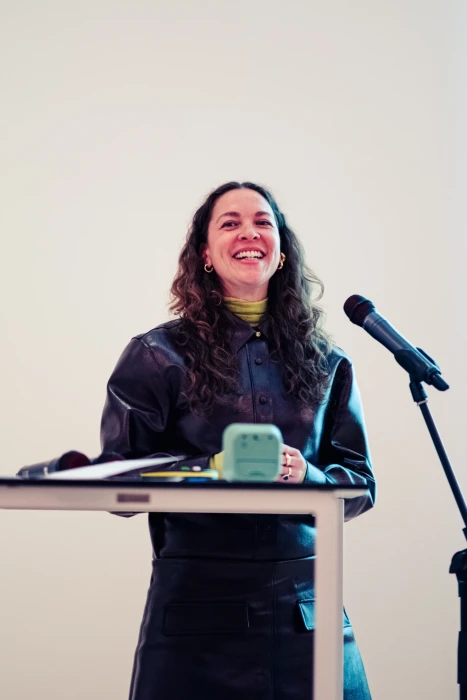
Working across independent and institutional frameworks, this panel explores different support structures for artistic and curatorial practices. Moderated by Simnikiwe Buhlungu, an artist and member of Buro Stedelijk’s advisory board, the conversation looks at how resources circulate - and how they might work differently to better support artists today.
13.30 - 14.45
By Metti & Bissara Salim
14.45 - 15.00
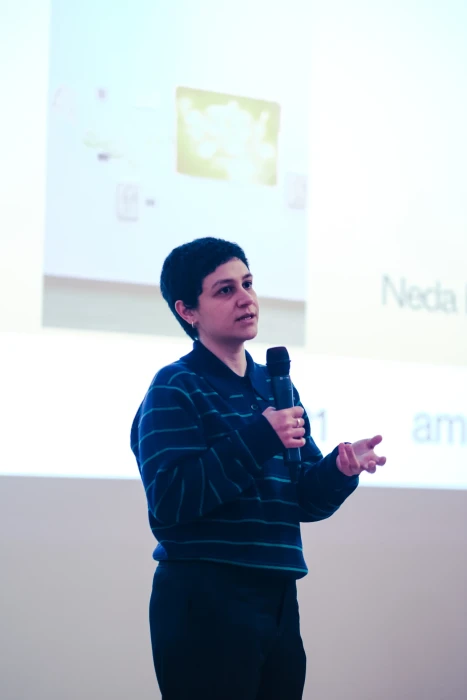
Artist, Neda Mirhosseini introduces her drawings installed in Buro’s entrance, tracing moments of intimacy and the hushed poetry of everyday life between homes.
15.00 - 16.00
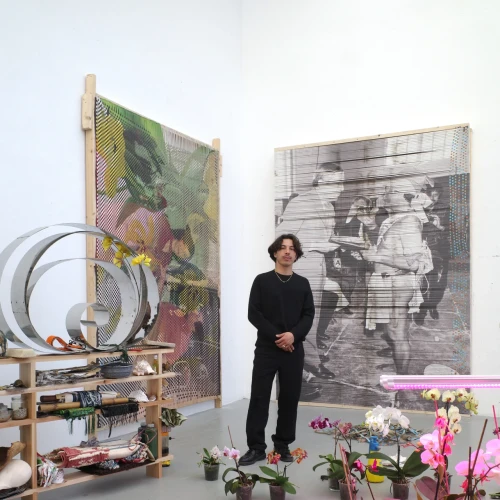
With Sung Hwan Kim and Nazif Lopulissa
Bringing together two generations of Rijksakademie residents, this session unfolds as a pair of artist talks under the umbrella of Buro for Mysterious Trade Skills - our program series for sharing forms of knowledge often learned through experience and peers. Both artists reflect on how their work has evolved. Kim expands his practice , including his development of the Gwangju Biennale Academy International Curator Course, which questions how culture is produced within and beyond institutional frameworks. Lopulissa traces a trajectory from grafitti writing to a visual art practice rooted in hybridity and acts of erasure that generate new images and narratives. With a conversation moderated by Jo-Lene Ong.
 buro@burostedelijk.nl